Coffee temperature can be the difference between a bitter mouthful and a perfect cup of coffee. You can get a noticeably better drink out of the same beans and the same brew method once the water, the milk, and the serving heat are each kept in their own range. Coffee lovers spend plenty on beans and grinders, while the heat costs nothing to get right. A kitchen kettle, a spare minute, and a few figures to aim for can have you pouring better coffee tomorrow morning.
How Temperature Affects Your Coffee
The flavour in your mug is a record of the heat that went into it. Sourness, bitterness, and thinness can each come from water at the wrong coffee temperature, which means you can fix all three at home without buying anything new.
Extraction is the process where hot water dissolves flavour compounds out of ground coffee. Acids dissolve out of the grounds first, then sugars, and then the harsher bitter compounds. Hotter water pulls compounds from the coffee out faster and drags the bitter ones through with the rest, which coarsens the drink’s mouthfeel, the texture and weight of a liquid in your mouth. Water that is too cool leaves the sugars behind and the brew tastes sour, weak, and thin.
Roast level changes how hot the water needs to be. A dark roast spends longer in the roaster and comes out more porous, which means slightly cooler water is enough for it. Lighter roasts are denser and need water at the hotter end before they give up the same amount of flavour. Heat also changes how much of the taste and aroma your taste buds can pick up, since steam lifts the fragrant compounds away quickly while sweetness and acidity can be easier to notice as the coffee cools toward drinking temperature.
Water Temperatures
Water temperature plays its part before the drink ever touches your cup. While no single perfect temperature covers every style, hot brew methods in an ordinary kitchen draw on one range, whatever you brew your coffee in.
For hot brew methods, the best temperature to brew coffee at lies between 90°C and 96°C. The recommended temperature for brewing coffee is anchored by the standard used when specialty coffee is professionally tasted and graded, which places the water at roughly 92°C to 94°C as it is poured on the grounds. Anything still bubbling at 100°C is above the whole temperature range, while anything under about 85°C is too cool to brew with. Coffee temperature also drops within seconds of the water leaving the kettle. The loss of a degree or two on the way costs you nothing inside that range.
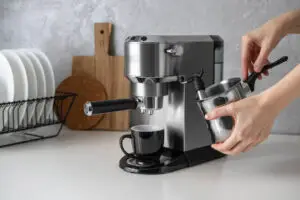
The ideal brewing temperature barely changes between methods. Water for a French press or a pour-over can go in near the top of the range, because the grounds, the vessel, and the open air all cool it during the brewing process. In drip coffee machines, the heating happens automatically within the same recommended brewing range. Espresso coffee is brewed under pressure at similar heat. With an espresso machine that side is handled for you, which frees your attention for grind size and dose.
Milk Temperatures
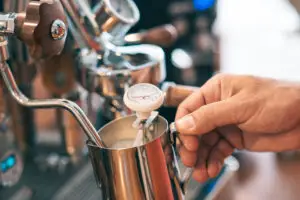
Milk is steamed to a different temp from the brew water. For dairy, the ideal temperature is between 60°C and 65°C, measured at the side of the milk jug. Within that range, the natural sugars come across at their sweetest. Overheated milk has a cooked flavour instead, which comes from sulphur compounds released as its proteins break down. Stop steaming once the base of the jug is too hot to keep your hand against. A clip-on thermometer removes the guesswork while you learn that feel. Plant milks can scorch at a lower temperature than dairy and are safer kept under about 60°C.
In a latte or a cappuccino, the final coffee temperature is decided by the steamed milk rather than the espresso, since the shot is only a small fraction of the cup. Milk steamed to the low sixties is already at a comfortable drinking heat, which is why a well-made flat white can be drunk straight away.
Cold Brew and Iced Coffee Temperatures

The rules of coffee temperature still apply once the kettle stays off. Cold brew coffee and iced coffee are made differently, which changes both the taste and the effort involved.
For cold brew, coarse coffee grounds are steeped in cold or room-temperature water for 12 to 24 hours. Extraction still happens at that lower temperature, only far more slowly. Some of the compounds behind bitterness and sharp acidity stay in the grounds, which is why cold brew can taste smoother and sweeter than the same roasted coffee brewed hot.
Iced coffee is brewed hot inside the usual range and then chilled or poured over a full glass of ice. Brew it a little stronger than normal. The melting ice waters it down otherwise.
How to Check and Control Coffee Temperature at Home
Coffee temperature can be checked and managed in an ordinary kitchen in under a minute. The right temperature for coffee needs nothing beyond the gear you already own.
Temperature control is easiest at the kettle, before the water ever touches the grounds. Rinse your mug with hot tap water while the kettle heats and tip it out just before the pour. A cold mug pulls heat straight out of a fresh brew. On a kettle with adjustable temperature, choose 93°C and pour once it clicks off. With a standard kettle, boil the water, take the lid off, and wait 30 seconds. That pause lets the water cool back into the low nineties.
Serving temperature is a separate choice from coffee brewing temperature. Hot drinks are poured hotter than they are drunk, with serving temperatures of 71°C to 85°C against drinking temperatures of 50°C to 70°C given as the reference figures. Separate research puts the best temperature to drink coffee at about 58°C. A fresh cup cools into that range after a few minutes on the bench. A splash of cold milk brings black coffee down straight away. If the coffee is too hot on the first sip, give it another minute and trust your tongue on the next one.
Enrol in Coffee Making Training
A memorable coffee and a forgettable one can be a few degrees apart. By enrolling in coffee making training you can learn to judge the right coffee temperature by sound, sight, and touch instead of by luck. The skill is as useful in your own kitchen each morning as it is behind a café machine. Enrol in coffee making training and the next great coffee you taste can be one you made yourself.
FAQs
Is Drinking Very Hot Coffee Bad for Your Health?
Drinks taken above 65°C have been classed as a probable cause of cancer of the oesophagus, while coffee itself received no such classification in the same review. The concern is the heat rather than the drink. A cup that has cooled below that point is outside the range in question.
Does Freezing Coffee Beans Keep Them Fresh?
Whole coffee beans can keep their flavour longer in an airtight container in the freezer, since the staling of roasted beans slows in the cold. Let the container return to room temperature before opening it. Moisture from the air condenses on cold beans otherwise and dampens the grind.
Why Do Takeaway Cups Keep Coffee Hotter Than Mugs at Home?
A lidded cup traps the steam that would otherwise escape and take heat with it, while an open ceramic mug sheds warmth from its whole surface. The insulating sleeve slows the loss even further. Treat a takeaway coffee as hotter than it feels through the cardboard.