Reusable coffee cups can change the flavour of your morning brew, how long it stays hot, and the amount of waste left behind once the last sip is gone. The material against the drink, the seal on the lid, and the wall between your hand and the heat each affect what ends up in your mouth. Coffee lovers who match their cups and coffee mugs to each order can taste the difference before the first mouthful cools.
Types of Reusable Coffee Cups and Mugs in Australia
Reusable drinkware is made from a handful of materials and each one changes the drink in its own way. The selection of coffee cups in Australian stores includes:
- Stainless steel tumblers and insulated travel mugs. A sealed double wall insulates the contents and a fresh pour can stay hot for hours.
- Double-wall cups made from borosilicate glass are toughened to survive quick temperature changes without cracking. The colour of the pour stays visible through the clear walls while the outer layer spares your fingers from the heat.
- Ceramic cups and mugs with silicone lids. The glaze adds no taste of its own so coffee or tea tastes the way it was poured.
- Hard plastic barista-style cups. Plastic is light and durable but strong brews can leave an aroma behind in the surface.
- Iced coffee cups with wide mouths and straws. The wide opening leaves room for ice while a fitted straw keeps the lid sealed between sips.
A 300ml size fits a standard latte with room to spare under the lid. Bigger travel cups take a long black topped up with hot water. A slim base fits car cup holders so the drink can sit low and stay put on the drive. Stylish, high-quality pieces in stainless steel or glazed ceramic are built to last through years of everyday use.
How Reusable Cups Change Your Coffee
Insulated coffee cups stretch the time a drink stays at drinking temperature. The double wall in a steel tumbler is sealed around a vacuum. Warmth crosses that emptiness far more slowly than it crosses metal or glass, keeping the contents hot or cold.
A lid alone can change how a coffee tastes. Part of its flavour is smelled rather than tasted but a small sip hole lets far less aroma through than an open rim. If you want the full taste of a fresh latte, lift the lid before you drink.
Coffee Mugs at Home and the Brews That Suit Them
The drinkware in your kitchen can suit each brew as closely as cafe glassware suits a latte. An espresso measures around 30ml and cools fast in a wide cup. Small coffee cups made for espresso expose less of the shot to the air, which slows the slide to lukewarm.
A big ceramic mug suits a long black or a morning coffee that gets drunk slowly. Cold ceramic takes heat from the first pour. Fill the mug with hot water from the kettle while the coffee brews, tip the water out, and pour.
Cleaning Coffee Cups and Mugs to Protect the Flavour

Coffee cups collect a film of oil with every pour. The oil goes stale and a stale film flavours the next brew. Wash the cup with warm water and dishwashing liquid after each use. Rinsing alone leaves the oil behind.
Milk residue gathers under the silicone seal inside a travel mug lid. Pull the seal out, wash it in the sink, and let it dry before it goes back in. Trapped milk sours fast and a soured seal can flavour every drink after it.
A paste of bicarbonate of soda and water cleans stains without scratching the glaze. Rub the paste in with a soft cloth, leave it for a few minutes, and rinse.
For smells, half fill the mug with white vinegar, top it up with warm water, and leave it overnight with the lid off. Wash it with dishwashing liquid in the morning. The acid breaks down old milk and coffee oils that a normal wash leaves behind.
Glass and glazed ceramic are easy to clean because nothing grips their smooth surfaces. A vacuum tumbler keeps its insulation only while the seal between its walls stays whole and dishwasher heat can break that seal. If the base is not marked dishwasher safe, wash it by hand.
Reusable Coffee Cups and Australia's Disposable Cup Waste
Australians use and throw away more than 1.8 billion disposable coffee cups every year. The thin plastic lining that keeps each one waterproof is too difficult to separate from the paper for kerbside recycling and the used ones go to landfill instead.
Every takeaway poured into a reusable cup keeps a disposable and its lid out of landfill. You can leave a clean spare in the car or a work bag for rushed mornings. You can also ask whether a cafe discounts drinks poured into your own cup. An eco-friendly swap only counts once it gets reused. A cheap tumbler in daily use saves more waste than a boxed one in a drawer.
Coffee Making Training for Your Reusable Cup
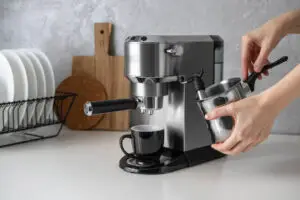
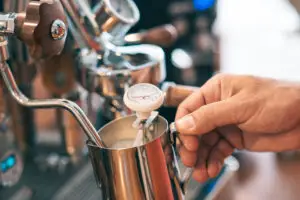
Your coffee cups can hold a cafe-standard flat white once you know how to make one. Our coffee making training teaches you to make espresso, steam milk to a silky finish, and pour latte art. You can take those skills home to a benchtop machine and taste the difference in the very first cup you make. Enrol in coffee making training and give your favourite mug something better to hold.
FAQs
What Is the Difference Between a Tumbler and a Travel Mug?
A tumbler is a straight-sided cup without a handle and its lid slows spills rather than sealing them shut. A travel mug locks watertight so it can be carried upside down in a bag without leaking.
Can You Put a Reusable Cup in the Microwave?
Ceramic and glass cups can go in a microwave unless they have metallic paint or trim. If a stainless steel tumbler goes in, the metal reflects the energy and can spark. Plastic can go in only when its base is marked microwave safe.
Does a Double Wall Stop Condensation on Cold Drinks?
Yes, because the outer wall stays close to room temperature while the inner one chills. Water in the air only condenses on cold surfaces so the outside stays dry. An iced drink in a double-wall cup can sit on paperwork without leaving a wet ring.