Single-origin coffee can be traced back to one farm, one estate, or one growing region. This differs from blends which can come from multiple sources. Because the beans come from one place, you can learn what that origin tastes like, buy it again when you want it, and brew it in a way that suits it. Once you can read the details printed on a label, you can make a noticeably better cup with gear you may already own.
What Are Single-Origin Coffee Beans?
Single-origin coffee comes from one place. That can be a single farm, an estate, a group of neighbouring farms, or one region inside one country. Roasters print that origin on the bag, and some go further by naming the grower and the harvest.
Naming the farm and the harvest on a label is called traceability. When beans sourced from one farm suit your taste, you can go back to the same source and buy them again, but you have nothing to search for when the label stays vague.
Single origin coffee beans grow in a belt that circles the globe between the two tropics. Growers in Ethiopia, Kenya, Colombia, Brazil, Indonesia, and Papua New Guinea supply Australian roasters, and small farms in northern New South Wales and far north Queensland harvest crops of their own.
You can use the country on a bag of single-origin coffee to narrow down what to expect. Beans grown in Ethiopia can taste floral and tea-like, Kenyan crops can taste of blackcurrant, and Brazilian ones can taste of chocolate and nut. With two bags from different origins on the same bench, you can pour them side by side and pick a favourite.
How Single-Origin Coffee Differs in Flavour
High farms are cooler, so the fruit ripens slowly and the seed inside develops more sugar and acid. Beans grown at high altitude can taste bright and closer to fruit, while crops from lower farms can taste softer and closer to chocolate.
Soil, rainfall, and temperature come through in the cup alongside altitude. Growers call that combination of place and climate terroir. The processing method is the way growers separate the seed from the fruit after picking. Washed beans can taste clean and crisp, while beans dried inside the whole fruit can taste sweeter and closer to berries. Roasters print those details on the bag, so you can predict how single-origin coffee from a specific place tastes before you pay for it.
The Role of Specialty Coffee Roasters
Coffee roasters choose a roast level to match the beans. A light roast keeps the character of the origin in the cup, while a dark roast adds toast and smoke that cover it up. Roasters can keep single origins lighter so the flavour of the farm still comes through.
Freshly roasted single-origin coffee smells stronger and tastes livelier than beans that have spent months in storage. Aroma fades in the weeks after roasting, and the origin’s character fades with it.
Brewing Single-Origin Coffee at Home

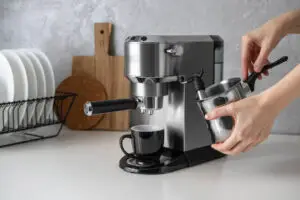
The character of single-origin coffee comes through more clearly in a black cup than in a milky one. A French press steeps the grounds slowly for a heavier brew, while espresso concentrates everything into a short, strong shot.
For filter coffee, weigh the beans, grind them just before brewing, and use water just off the boil. Small changes to the grind change what dissolves out of the grounds, so adjust one thing at a time and taste the result.
Buying Single-Origin Coffee in Australia
Specialty coffee is the trade’s name for unroasted beans graded at the top of the quality scale. Roasteries across Australia sell those beans sourced from farms overseas, and the better ones print the origin, the roast date, and the story behind the coffee on the bag.
Supermarkets stock some single-origin coffee, but a bag can spend months on a shelf before you pick it up. Check the roast date wherever you buy. Local roasteries sell freshly roasted coffee in small batches and post beans roasted to order. A subscription can get a fresh bag delivered Australia wide, on a schedule you choose. Cafes that list their origins give coffee lovers a taste of a bag before they commit to a full one.
Learn to Brew Single-Origin Coffee
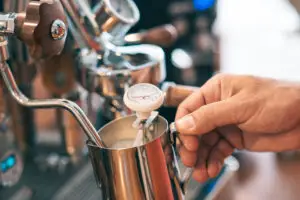
The flavour in a bag of single-origin coffee only ends up in the cup when you brew it well. Grind size, water temperature, and milk texture all respond to technique, and you can learn it faster in a classroom than by trial and error.
We teach coffee making on commercial machines, and our trainers coach you through each drink until you can make it without prompting. The drinks you make at home can taste like the ones you pay for. A barista certificate can lead to cafe work. Enrol in coffee making training and get the full flavour out of the next bag you open.
FAQs
How Should Coffee Beans Be Stored at Home?
Keep the beans in an airtight container away from light, heat, and moisture. The pantry beats the fridge. Beans stored cold take on moisture and the smells around them.
What Is a Microlot?
A microlot is a small parcel of beans picked and processed separately from one section of a single farm. Roasters sell microlots in limited numbers with the lot named on the bag.
Can Decaf Be Single Origin?
Yes, roasters send unroasted beans from one origin for decaffeination and sell the result under the same origin details. Caffeine is removed before roasting, so the character of the source still comes through in the cup.